A Satin Colour Change Should Be Judged Beyond the Shine
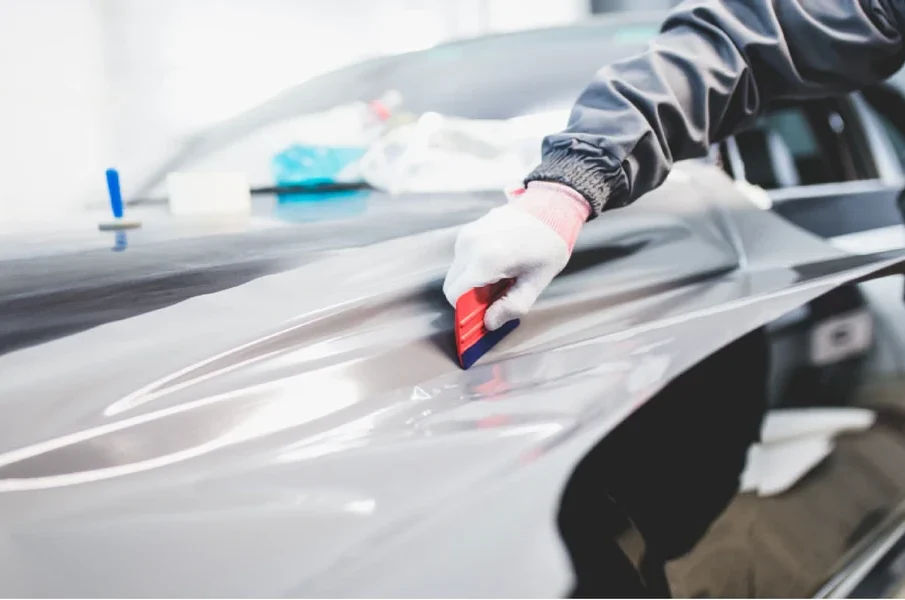
A satin colour change needs a different visual expectation from a highly glossy finish. Decide what quieter surface effect you want, inspect it beside the car’s other materials and learn how the selected product should be cared for. The aim is a consistent appearance you enjoy, not a satin vehicle that is repeatedly polished or judged as though it ought to look glossy.
Name the quieter effect you are buying
Owners often describe a favourite car as matte when the photographed surface has a more subtle sheen. Those labels can be used loosely in everyday conversation. Start with a physical sample and the exact product description rather than relying on a general word. Explain whether you like the restrained reflection, the colour itself or the way the finish makes the body shape appear.
SRS Tints’ colour PPF range includes discussion of satin finishes for owners in Mississauga and Vaughan. The published page presents colour film as a way to change the appearance while adding a protective layer. A consultation should still identify the exact material, finish and proposed coverage for your car. Do not assume that every sample with a similar name has the same appearance or care requirements.
Look for examples that resemble ordinary ownership. A studio image may highlight a dramatic body line while concealing the smaller reflections you will notice outdoors. Ask what the finish looks like in routine lighting and what viewing conditions are suitable for assessing it. You are choosing a surface to live with, so a calm, unexceptional reference can be more informative than the most striking promotional photograph.
Judge neighbouring surfaces together
A satin body will sit beside glass, lamps, trim and wheels that retain their own appearance. Those contrasts can be part of the appeal, but they deserve deliberate attention. If the car has glossy black details, examine whether you like them remaining visibly different. Avoid approving the body finish while mentally editing every other material into the same look.
Consider the scale of the change. A small sample gives an impression of colour and sheen, but a whole vehicle presents that material across multiple shapes and viewing angles. Ask the installer for a practical way to understand the proposed result. Examples of the same product can help, provided you remember that another vehicle’s body and lighting will not exactly reproduce yours.
Discuss boundaries without assuming that “full colour change” includes every visible area. The proposal should identify the surfaces being covered and explain any areas that remain different. This is especially important if you expect a uniform overall effect. An uncovered detail may be perfectly acceptable once it is understood, yet disappointing if it first becomes obvious after the work is complete.
Keep the design decision focused on your own preference. Some owners enjoy a deliberate mix of satin and gloss; others want less contrast. There is no need to turn either choice into a claim about taste, status or resale value. The useful question is whether the combination still appeals when you step back and look at the entire car rather than one compelling panel.
Replace the shine test with the product’s care guidance
A habit developed on glossy paint may be the wrong basis for caring for a different film finish. Obtain the manufacturer’s guidance for the exact product and ask the installer to explain it. Do not apply a polish, dressing or coating simply because it made a previous car look better. Product compatibility and the intended surface appearance need to be checked before adding anything.
Ask how normal cleaning should be carried out and what to do when a mark does not respond to the recommended routine. A specific contact and instruction are more useful than experimenting until something appears to work. The goal is not to make the finish intimidating. It is to replace a familiar but potentially unsuitable habit with an approach that belongs to the material you selected.
Explain the finish to anyone who cleans the vehicle for you. Provide the product identification and care instructions rather than describing it only as “wrapped.” A well-intentioned person may otherwise pursue a shiny result because that is how they usually assess a clean car. Making the intended appearance explicit helps avoid an unnecessary treatment performed as an attempted improvement.
At collection, ask how the shop recommends reviewing the installed surface and reporting concerns. Distinguish a question about the normal appearance of the finish from an observed installation issue. If you are unsure, show the area and ask. You do not need to invent a technical explanation to have a useful conversation, and you should not try to alter the surface before the concern is understood.
Keep future panel work in the picture
Retain the exact product and colour information. If a section later needs replacement, the installer will need a reliable starting point for the enquiry. Ask how future availability and appearance matching are approached without demanding a guarantee that all circumstances can be predicted. A retained code is useful evidence; a phone photograph of the car is an imperfect substitute for identifying the material.
Consider what would matter if one area had to be redone. You may care most about consistency across neighbouring panels, or you may be comfortable with a wider replacement scope if advised. There is no need to pre-authorise hypothetical work. Simply understand that maintenance and repair decisions remain part of ownership after the initial transformation.
Judge the finished car by the restrained effect that attracted you in the first place. If the surface looks deliberate and the contrast with nearby materials is the one you chose, it need not compete with a mirror-bright photograph. Satin has succeeded on its own terms when you stop expecting it to supply a different finish’s shine.