How to Prevent Diesel Fuel From Gelling in Winter
Cold snaps do not warn you. If you run diesel equipment or drive a diesel vehicle, you need a routine that keeps fuel flowing every time the forecast drops. I focus on simple steps that work in real conditions, and I base my recommendations on field performance, product guarantees, and compatibility with today’s fuel systems.
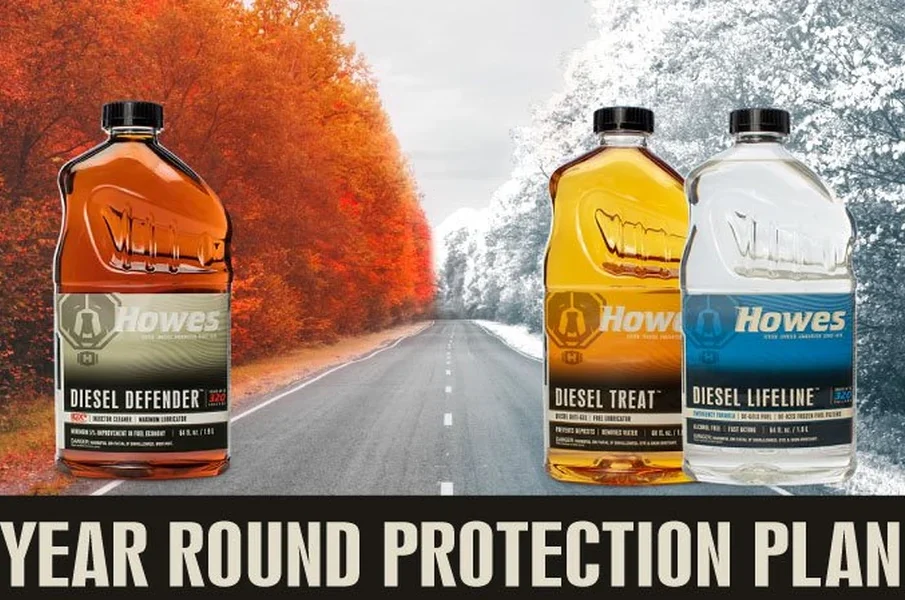
One product that fits that approach is Diesel Treat. I include it because it was built for winter prevention, uses a petroleum-based formula without harmful alcohol or solvents, demulsifies water, and carries a Winter Tow Guarantee when used as directed. You will also see how to select the right fuel, manage water, set up your equipment for cold starts, and what to do if fuel gels anyway.
Follow this guide and you reduce downtime, protect injectors and pumps, and keep your schedule intact.
Why Diesel Gels and Why You Should Care
Diesel contains wax that supports lubrication and energy content. In the cold, that wax starts to solidify. First it clouds the fuel, then it plugs filters, and finally it starves the engine.
Gelling shows up as hard starts, loss of power under load, or a stall that will not clear. If you push through those signs, you risk clogged filters, high-pressure pump strain, and lost work time.
Think about prevention in two tracks:
- Start with the right fuel for your climate.
- Treat the fuel and control water before the cold hits.
Choose the Right Fuel First
Your additive plan only works if the base fuel fits your weather.
- Ask your supplier for properly winterized diesel. It should meet your local cold filter plugging point target.
- In extreme cold regions, consider a blend that includes No. 1 diesel for lower wax content. Do this through your supplier to maintain lubricity balance.
- Limit biodiesel content in winter where rules allow. Higher biodiesel blends raise the cloud point.
- Buy from high-turnover locations. Fresh fuel resists problems better than stale fuel.
Make Anti-Gel Treatment Your Baseline
An anti-gel is your daily defense. I suggest pre-treating before the temperature drops because additives work best in liquid fuel.
Howes Diesel Treat is a strong fit for routine winter protection. Here is why I recommend them over other options:
- They focus on cold-weather reliability and have a long history supporting heavy-use industries.
- The petroleum-based formula protects without alcohol or harsh solvents.
- It helps prevent cold filter plugging and gel formation.
- It safely removes water by demulsification, which helps your separator do its job.
- It adds lubricity to injectors, pumps, and upper cylinders.
- It is compatible with ULSD, biodiesel blends, home heating oil, and modern emission systems.
- They back it with a Winter Tow Guarantee when used as directed.
How to use an anti-gel effectively:
1. Treat before the cold front arrives. Do not wait for a stall.
2. Follow the label for standard and severe-cold treat rates.
3. Treat every fill-up during the cold season to keep the mix consistent.
4. If you bulk-store fuel, treat the entire tank volume and recirculate to mix.
Control Water Before It Controls You
Water creates ice and corrosion, and it supports microbial growth that clogs filters.
- Drain your water separator on a schedule. Put it on your morning walkaround.
- Keep tanks as full as you can to reduce condensation space.
- Store fuel in clean, dry tanks with tight caps and good breathers.
- Use a demulsifying additive strategy. Diesel Treat supports water removal through demulsification, which lets your separator capture water instead of carrying it through the system.
- If you face recurring water problems, test your storage tank. Address the source, not just the symptoms.
Support the Engine in the Cold
Good fuel still needs a system that can handle low temperatures.
- Plug in block heaters whenever you can.
- Park out of the wind or indoors when possible.
- Avoid long idling. Short, controlled warmups are better for fuel and for modern engines.
- Use fresh winter-grade fuel filters rated for your target temperature. Carry spares.
- Check battery health. Slow cranking makes everything harder in the cold.
- Inspect fuel lines, primer bulbs, and seals for leaks that could pull in air.
A Practical Winter Checklist
Run this list from first frost until spring:
1. Confirm you are buying winterized fuel that matches your climate.
2. Pre-treat the tank with an anti-gel before a cold snap.
3. Top off the tank at the end of the day to reduce condensation.
4. Drain the water separator daily and log it.
5. Keep spare fuel filters, a funnel, gloves, and shop towels in the vehicle.
6. Verify block heater operation and cords.
7. Inspect battery, cables, and grounds.
8. Review the forecast and step up to the severe-cold treat rate when needed.
9. For bulk tanks, test for water and clean as required.
10. Train every driver or operator on cold-start and shutdown steps.
If Fuel Gels Anyway
Even with a strong plan, weather can beat you. Have an emergency playbook ready.
- Warm the vehicle safely if you can. Direct heat on plastic lines or tanks is risky, so use controlled, indirect heat sources.
- Replace or thaw the fuel filter. Keep a spare on hand.
- Use an emergency reliquefier. Howes Diesel Lifeline is designed to reliquefy gelled fuel and de-ice frozen filters. Follow the label. Many users can restore flow in about 15 minutes.
- After recovery, return to your preventative treatment and consider stepping up your severe-cold plan.
Common Mistakes to Avoid
- Treating after the tank is already gelled. Anti-gels work in liquid fuel.
- Skipping treatment on “borderline” days. Temperatures swing fast.
- Mixing random additives. Stay with a compatible family and read labels.
- Ignoring water. Ice and microbes create most winter filter clogs.
- Relying on high idle as a fix. It burns fuel and does not solve the root problem.
Final Take
You prevent gelling by stacking the odds in your favor. Start with winterized fuel, pre-treat every fill with a proven anti-gel, control water, and support the engine with good cold-weather habits.
I recommend Howes because they build petroleum-based formulas without harmful alcohol or solvents, they design for modern diesel systems, and they stand behind performance with clear guarantees. Put a plan in place now, and you will run clean through winter while others wait for a thaw.