How Law Enforcement Vehicle Graphics Support Fleets
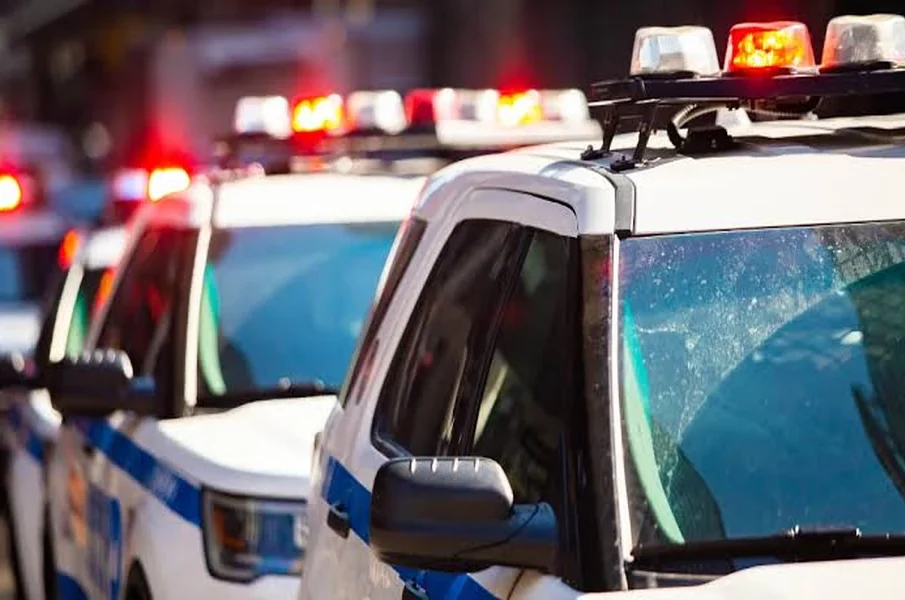
Police vehicles need to communicate a lot at a glance. Depending on the vehicle and its role, graphics may identify an agency, help motorists recognize an emergency vehicle, improve visibility along busy roads, or distinguish one unit from another.
That means choosing law enforcement vehicle graphics involves more than deciding where a badge or department name should go. Agencies also need to think about visibility, vehicle type, durability, consistency across the fleet, and how each vehicle will be used.
Materials and production methods are another consideration. Graphics for a patrol vehicle that’s on the road every day may need to hold up to different conditions than decals on a specialty vehicle that only comes out occasionally. Accounting for how each vehicle is used can help agencies keep the fleet looking consistent while choosing graphics that suit each vehicle.
Types of Police Graphics
Here are some of the most common graphic options and where each one fits.
Reflective Markings for Greater Visibility
Visibility is especially important for vehicles that may be parked along roads, used at accident scenes, or operating after dark.
Reflective vinyl helps markings stand out when illuminated by headlights. Depending on the design, reflective materials can be incorporated into lettering, identification markings, striping, or other parts of a vehicle graphic package.
The amount of visibility needed can vary considerably from one fleet to another. A highly visible patrol vehicle has different requirements than a unit intended to maintain a lower profile.
Agencies can also use reflective and non-reflective materials within the same overall design. This provides more control over which portions attract attention during the day and which become prominent under headlights at night.
Rear Chevron Striping
The back of a law enforcement vehicle can become particularly important when officers are stopped along a roadway. Chevron striping uses alternating diagonal sections to create a distinctive pattern motorists can recognize from a distance.
Different stripe widths, colors, and configurations allow departments to adapt the design to their vehicles and desired appearance.
Companies specializing in police bumper chevrons can produce reflective striping in configurations suited to different fleet requirements.
Where a graphic goes is often dictated by the shape of the vehicle. A wide, flat rear panel gives designers different options than a narrow bumper or curved surface. That means a layout used on an SUV may need to be resized or rearranged for other vehicles in the fleet.
Low-Profile and Ghost Graphics
A marked police vehicle doesn’t always need bold, high-contrast graphics.
Ghost graphics use low-contrast materials to create markings that blend more closely with the vehicle’s paint. The result is subdued identification that may be difficult to notice immediately during the day.
Reflective materials can also be incorporated into these designs. This gives agencies a way to maintain a low-profile appearance while allowing markings to become more noticeable when light hits them after dark.
Color choice plays a large role in the final appearance. Graphics that are only slightly lighter or darker than the vehicle itself tend to produce a much subtler result than traditional contrasting markings.
Departments considering this style should look at the vehicle under several lighting conditions before settling on a combination. Paint color, finish, reflective material, and surrounding light can all change how noticeable a ghost graphic appears.
Department Badges and Door Graphics
Door graphics are one of the easiest ways to establish a recognizable identity across a fleet. These designs can feature department badges, shields, patches, agency names, unit information, or a combination of several elements.
You can produce these graphics in several ways.
Digitally printed decals allow for detailed artwork, gradients, and a broad range of colors. Cut and layered vinyl is another option when a design can be built from separate pieces of colored material. Screen printing can make sense when an agency needs larger quantities of the same design.
The best production method depends on the artwork, number of vehicles, materials being used, and plans for future replacement graphics.
Consider how easily individual pieces can be replaced, too. Fleet vehicles can remain in service for years, and a damaged door or body panel may eventually require new graphics. Keeping artwork and specifications consistent can make those later replacements much simpler.
Partial and Full Vehicle Wraps
Some departments want graphics that cover considerably more of the vehicle than traditional lettering and door decals. Vehicle wraps provide that option.
A full wrap covers most of the painted exterior, while a partial wrap concentrates the design on selected areas. Partial wraps can be especially useful when vehicle contours, trim, handles, or other features make complete coverage impractical.
Vehicle size also matters. Large vehicles with broad panels provide very different surfaces than compact patrol cars or SUVs.
Apart from changing a vehicle’s appearance, vinyl adds a physical layer over portions of the original finish. It can help shield covered paint from some everyday exposure and minor surface wear, although a wrap shouldn’t be treated as protection against dents or other substantial physical damage.
Partial wraps can also give designers more flexibility when a fleet includes several makes and models. Rather than recreating an identical layout on every body style, common design elements can be adapted to the usable space on each vehicle.
Graphics for Motorcycles and Other Specialty Units
Standard patrol cars are only part of many law enforcement fleets. Agencies may also operate motorcycles, trailers, mobile command units, utility vehicles, golf carts, vans, and other specialized equipment.
These vehicles often need the same visual identity as the rest of the fleet, but a standard patrol-car graphic package may not translate directly.
A motorcycle, for instance, offers much less usable surface area than an SUV. A mobile command vehicle presents the opposite challenge, with large panels that can accommodate much larger identification and lettering.
A consistent fleet doesn’t require an identical layout on every vehicle. Keeping elements like fonts, colors, badges, logos, and striping consistent allows the design to change where needed while preserving a recognizable agency look.
Updating an Existing Fleet Design
Fleet graphics don’t necessarily need to be redesigned from scratch.
An agency may already have a design it wants to preserve but need new kits for replacement vehicles. Another department may have difficulty sourcing graphics after its original supplier stops producing a particular kit.
Existing artwork and graphic kits can often serve as references for reproducing a fleet’s established appearance.
Rebranding is another option when existing graphics have become dated or inconsistent. A fleet update can introduce new lettering, colors, striping, badges, reflective elements, or layouts while maintaining recognizable aspects of the department’s existing identity.
A refresh is also an opportunity to look at the fleet as a whole. Graphics may have been added or changed gradually over the years, leaving newer vehicles looking noticeably different from older units. Establishing updated specifications can make future additions to the fleet easier to keep consistent.
What to Consider When Choosing Fleet Graphics
There isn’t one graphic package that works for every law enforcement fleet. A better starting point is to consider what each group of vehicles needs to accomplish.
Visibility may be a priority, but it isn’t the only consideration when planning fleet graphics. Agencies should also look at vehicle dimensions, expected lifespan, fleet size, replacement frequency, nighttime appearance, branding, and where and how the vehicles are used.
Planning for future additions can make managing the fleet easier, too. Keeping approved artwork and detailed specifications gives agencies something they can return to whenever a new or replacement vehicle needs graphics.
Those standards also help maintain consistency across very different types of vehicles. Patrol SUVs, motorcycles, pickups, and command units may require their own layouts, but common colors, fonts, badges, and graphic elements can tie everything together.
The best approach is usually to keep the overall identity consistent while adapting the application to each vehicle. That gives every unit a layout that fits without making the fleet feel mismatched.
Contact GDI Graphics to discuss your options for police graphics and get hands on help from the pros.