7 Signs Your Crankcase Ventilation System May Need Attention
A healthy engine depends on much more than fuel, oil, and coolant. One system that often receives less attention is the crankcase ventilation system. Its job is to manage pressure and gases that build up inside the engine while it is running.
In most modern vehicles, the Positive Crankcase Ventilation, or PCV, system directs these gases back into the intake system so they can be burned during combustion. This helps control crankcase pressure, reduce oil contamination, and support efficient engine operation.
When PCV valves, diaphragms, hoses, or oil separator components begin to wear out, several noticeable symptoms may appear. Recognizing them early can help car owners avoid unnecessary engine stress and more expensive repairs.
1. Increased Engine Oil Consumption
One of the most common warning signs is unusual oil consumption. A failing PCV diaphragm or valve may allow excessive oil vapour to enter the intake manifold.
Drivers may notice that the engine oil level drops faster than expected between service intervals. In some cases, oil may also collect inside intake hoses or around the throttle body.
A small amount of oil vapour in the intake system can be normal, but excessive oil should be investigated. Mechanics may inspect the PCV valve, separator membrane, hoses, and related seals before assuming the engine has serious internal wear.
2. Rough or Unstable Engine Idle
A damaged crankcase ventilation component can create a vacuum leak. This means additional air may enter the intake system without being properly measured by the engine management system.
As a result, the engine control unit may struggle to maintain the correct air-fuel mixture. Drivers might experience a rough idle, fluctuating RPM, hesitation, or even occasional stalling.
These symptoms can resemble problems involving ignition coils, spark plugs, fuel injectors, or the mass airflow sensor, which is why proper diagnostics are important.
3. Whistling or Unusual Engine Noises
Strange noises from the engine bay should never be ignored. A torn PCV membrane can sometimes create a noticeable whistling or squealing sound as air passes through the damaged component.
The noise may change when the engine speed increases or when the oil filler cap is removed.
Because vacuum-related sounds can also originate from intake hoses, gaskets, or other engine components, technicians usually perform a visual inspection and vacuum test to locate the exact source.
4. Excessive Pressure Inside the Crankcase
The crankcase ventilation system is designed to prevent excessive internal engine pressure. If a valve or hose becomes blocked, gases may no longer escape properly.
This pressure can force engine oil past seals and gaskets, potentially causing leaks around the valve cover, crankshaft seals, or other sealing surfaces.
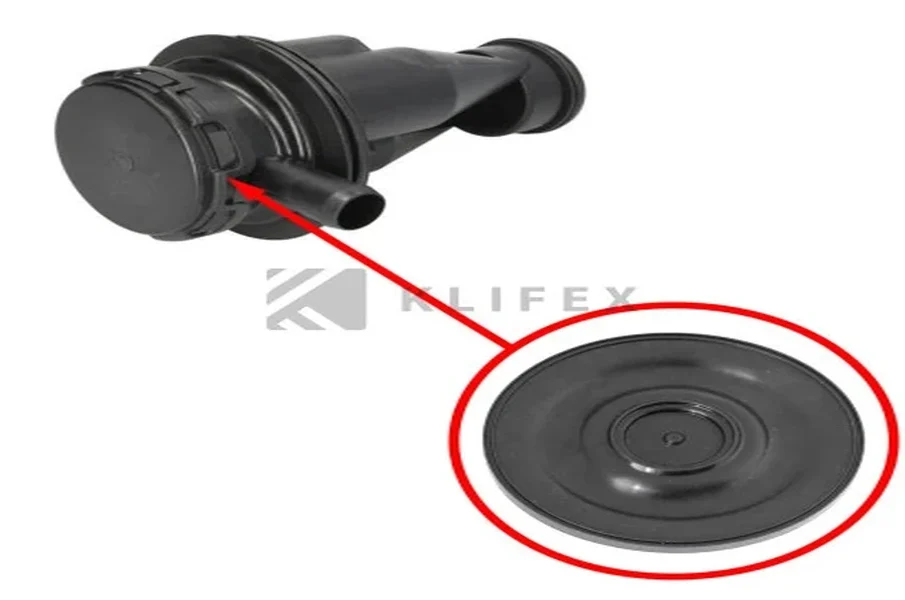
Instead of replacing a complete assembly immediately, some vehicle owners and workshops use suitable repair kits for membranes and valves for cars when the affected PCV or oil separator component is designed to be serviced. The correct repair approach depends on the engine design, vehicle model, and condition of the surrounding components.
5. Oil Leaks Around Engine Seals
Oil leaks are sometimes blamed entirely on old gaskets, but excessive crankcase pressure may also contribute to the problem.
If the ventilation system cannot regulate pressure properly, oil can be pushed toward weaker sealing points. Wet areas around the engine block, rocker cover, or timing cover may therefore deserve closer inspection.
Car buyers should also pay attention to these signs when inspecting a used vehicle. Freshly cleaned engine surfaces combined with recurring oil residue can sometimes indicate an unresolved ventilation or sealing issue.
6. Check Engine Light Appears
Modern vehicles continuously monitor engine operation through sensors and the ECU. A malfunctioning PCV system can interfere with airflow calculations and fuel trim values.
This may trigger the check engine light and store diagnostic trouble codes related to lean running conditions, airflow irregularities, or misfires.
An OBD-II diagnostic scanner can help identify relevant fault codes, but codes should not automatically be treated as proof that one specific component has failed. Professional diagnosis may include inspecting vacuum lines, intake components, sensors, and the PCV assembly.
7. Smoke From the Exhaust
Excessive oil entering the combustion chamber through a defective ventilation system can sometimes result in visible exhaust smoke.
Blue or bluish-grey smoke is commonly associated with engine oil being burned. However, worn piston rings, valve stem seals, turbocharger problems, and other mechanical faults can produce similar symptoms.
For turbocharged vehicles especially, technicians may need to inspect both the crankcase ventilation system and turbo components before determining the cause.
Why Early Inspection Matters
Crankcase ventilation components are relatively small, but they influence several important areas of engine operation. Proper pressure control helps protect oil seals, maintain stable airflow, limit oil contamination, and support consistent combustion.
For car owners, routine engine inspections should therefore include PCV hoses, valves, membranes, and oil separator components where accessible. Buyers considering a used car should also watch for excessive oil consumption, unstable idle, oil leaks, or unexplained engine warning lights.
Addressing a ventilation problem early may prevent unnecessary stress on gaskets, seals, intake components, and other parts of the powertrain. When symptoms appear, accurate diagnostics should come before replacement. Understanding what the crankcase ventilation system does makes it easier to identify problems early and keep the engine operating as intended.