Gloss, Matte, or Satin: How to Pick the Right Carbon Fiber Finish
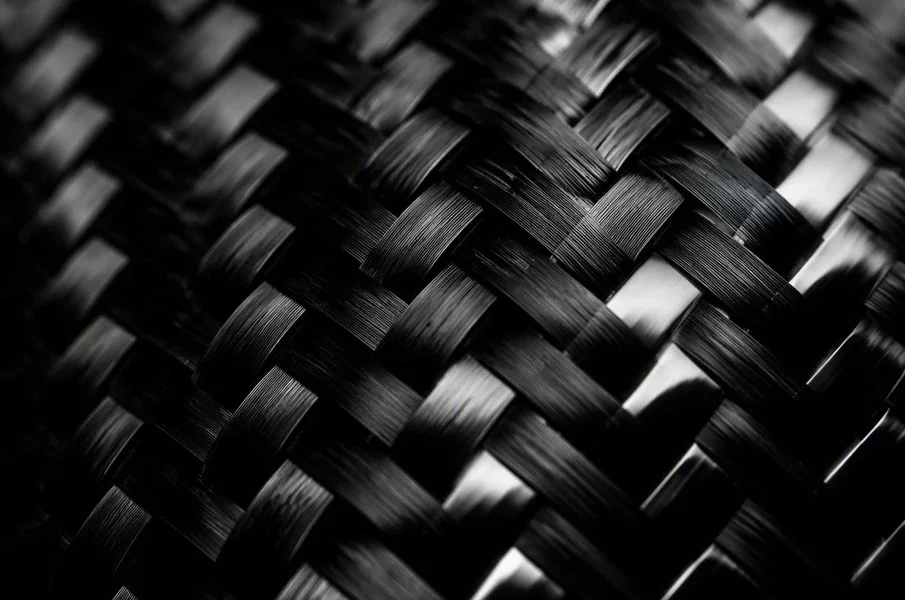
Same weave, three finishes, three different cars.
Two identical carbon fiber hoods can look like they came from different planets, and the only difference is the last ten microns: the clear coat. Gloss, matte, and satin are not small variations. They change how the weave reads, how the part photographs, how it ages, and how painful it is to repair. Picking between them deserves more thought than it usually gets.
What the Clear Coat Actually Does
Every visible carbon part wears a clear top layer, and that layer has two jobs. The first is protection: it shields the epoxy underneath from UV, which is what yellows and chalks cheap parts within a couple of summers. The second is optical: it decides whether light bounces off in sharp reflections or scatters softly. When you choose a finish, you are really choosing a balance of those two jobs. The full range of options, including colored and hybrid routes, is covered in the carbon fiber color guide.
Gloss: the Show Car
Gloss is the finish everyone pictures first. Done well, it gives the weave genuine depth. The fibers seem to sit a centimeter under liquid glass, and the 3D shimmer when you walk past is the reason people buy carbon in the first place. The honest downside: gloss shows everything. Swirl marks, dust, water spots, and polishing haze all announce themselves. A gloss hood wants regular gentle washing and the occasional machine polish, exactly like show-quality paint.
Gloss also rewards the ceramic coating trend. A good ceramic layer over gloss carbon adds slickness, makes washing easier, and adds sacrificial UV protection on top of the clear coat. It is the one finish where the detailing industry’s full arsenal applies without modification, because the surface behaves exactly like premium paint.
Matte: the Stealth Option
Matte clear coat scatters light instead of reflecting it, turning the weave into a flat technical texture. On aggressive builds, track cars, widebody cars, anything murdered-out, matte reads as serious in a way gloss never will. It also hides dust and light scratches remarkably well. The catch arrives with damage: matte cannot be polished. Any repair to the clear coat tends to show as a shiny patch, so fixing matte often means re-coating the whole panel. Choose matte with the understanding that its repair bill structure is different, not smaller.
Matte also changes the washing rules. Waxes and standard sealants add gloss, which is exactly what you are trying to avoid. One enthusiastic wax job can permanently polish a matte panel’s high spots into shine. Matte-specific sealants exist for this reason. Own the finish, respect its chemistry, and it stays even and stealthy for years.
Satin: the Quiet Middle
Satin sits between the two, and it is the finish most OEM carbon accessories actually use. It keeps some weave depth, sheds reflections that would clash with factory paint, and forgives fingerprints and light swirling better than gloss. If you want carbon that looks like it could have come on the car from the factory, the so-called OEM-plus look, satin is almost always the right answer.
How the Three Age
- Gloss: ages like paint. Polishable, correctable, but shows every mark until you do.
- Matte: ages gracefully against dust and swirls, unforgiving of actual damage.
- Satin: the slowest to look tired, and the easiest to live with daily.
Whichever finish you pick, its lifespan is decided mostly by UV resistance, which is a resin-and-coating quality question. That is the same reason the dry carbon vs wet carbon difference matters: better resin systems take better clear coats and hold them longer.
Can You Mix Finishes on One Car?
The short answer is yes, but with intent. A matte hood on an otherwise gloss car reads as a deliberate motorsport reference. One contrasting piece is a statement. Three different finishes scattered across the car reads as indecision. The rule of thumb: one finish family for everything, with at most one deliberate exception. Consistency is what makes a build look designed rather than accumulated.
Match the Car, Not the Trend
A quick decision framework. Show car or weekend toy with careful washing habits: gloss, and enjoy the depth. Track car or stealth street build: matte, and accept the repair rules. Daily driver that should look expensive without trying: satin, and stop worrying. None of the three is objectively best. But one of them is almost certainly best for how you actually use the car.
One budget note worth making: finish changes are cheap at order time and expensive later. Re-coating a cured part to switch gloss to matte, or the reverse, costs a meaningful fraction of the part itself. Decide the finish the way you decide the color of a car: slowly, once, and with the whole build in mind.
The finish is the last decision in the build and the first thing anyone sees. Give it the ten minutes of thought it earns, and the part will look right on the car for years instead of right in the product photo for a week.