Does Insurance Cover All Collision Repairs? Here’s What Most People Don’t Know
Quik Answer: No, insurance does not always pay for every repair after an accident. There are some limits, rules, and things like exclusions and deductibles in each policy, and this can change what the company will pay for. What the company covers depends on the rules in your policy, how much you can get, and if the damage is from something the policy covers.
Dealing with what happens after a car accident can be hard, especially when it comes to paying for repairs you did not plan for. A lot of people think they will be fully covered if they have comprehensive or collision insurance, but that is not always true. Insurance policies are contracts with rules and fine print. There can be limits and things not covered that make people pay from their own pocket for parts of fixing their car.
Working with a trusted place like Space City Collision Center helps you feel at ease, as they check, note, and talk about every part of your insurance estimate. This way, your claims adjuster will not leave out repairs you need, and you will get good care for your car.
The Big Misconception About Collision Coverage
Many people get full coverage auto insurance and think it offers complete protection. But full coverage is really just a mix of the policies that the state needs you to have, plus coverage for damage if you hit something, and another policy for other things that might go wrong. The coverage you get when your car hits someone or something will pay for damage, but it only covers these events.
Insurers look at claims using clear legal steps. If there was damage to the car before the accident, or it came from something like the engine breaking down, or from parts that wear out with time, they do not cover it. Your policy will not pay for those things in the final repair claim.
5 Critical Things Auto Insurance Rarely Covers
1. Pre-Existing Vehicle Damage
Insurers take a close look at the car before they say yes to fixing crash damage. If the person checking the car finds rust, old paint, or dents that were there before the crash, the insurance company will not cover those spots in the claim.
2. Wear and Tear or Mechanical Breakdowns
Standard collision insurance pays for damage that happens all at once from a crash. It does not cover slow wear and tear. If you have parts like brake pads that wear down, transmissions that slip, or old parts that support the car, those will not be paid for-unless the crash is what broke them right then.
3. Unapproved Aftermarket Modifications
If you have put custom rims, special lifts, or nice sound systems on your car, normal insurance will often pay to fix just factory equipment. If you do not have a clear add-on for custom parts on your policy, changes you did to your car may not be covered at all if something happens.
4. OEM Part Upgrades and Depreciation Allowances
Insurance adjusters usually figure out how much to pay by looking at the cost of parts that are cheaper, like aftermarket, reconditioned, or used parts. These are not brand-new parts made by the car maker. If you ask for a new factory part, but your policy says you get parts that just work the same, you have to pay the extra cost yourself.
The analyses on automotive policy shown on platforms say that insurer guidelines focus on getting a car back to its “pre-loss condition.” They use the parts that cost less instead of brand-new parts from the factory.
5. Out-of-Pocket Policy Deductibles
The policy deductible refers to the fixed amount that must be met from your side before the insurance becomes operational. For instance, if the cost of repairing the car damage is $1,800 and the deductible is $1,000, then the insurance company will pay $800. In case the total cost of repairs is less than the deductible, then no payment will be made.
How Insurers Estimate Repair Costs vs. Real Shop Estimates
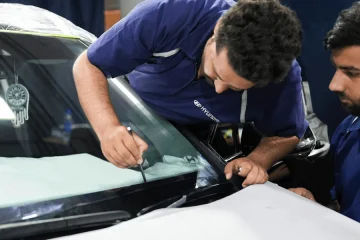
When an adjuster checks your vehicle, the main goal is to make a simple starting estimate. But first insurance estimates are often not finished. A quick look cannot see damage under parts, frames that do not line up right, or errors in sensors you cannot see.
To cover this money gap, auto body repair shops give extra repair reports. These are extra papers that show damage found after workers take apart the damaged part. Groups like the National Highway Traffic Safety Administration (NHTSA) talk about how important it is to make sure the frame is fully fixed and all safety sensors are set up the right way when cars are fixed after a crash.
To avoid hidden fees and problems with claim disputes, it is good to pick a certified place like Space City Collision Center. Your car will go through a full teardown check. This helps find all repairs needed before the safety systems get checked again.
Conclusion
Being aware of your automobile insurance will help you avoid any surprises related to your auto accident claims because despite the fact that your coverage will take care of most of your repair expenses, there are certain aspects like deductibles, pre-existing damage, and the list of parts to be paid by the insurance company that mean it will not cover everything. Understanding your coverage, being informed about additional expenses, and cooperation with the auto body shop will help you to avoid any issues.