Tyres Singapore: A Guide for Everyday Drivers
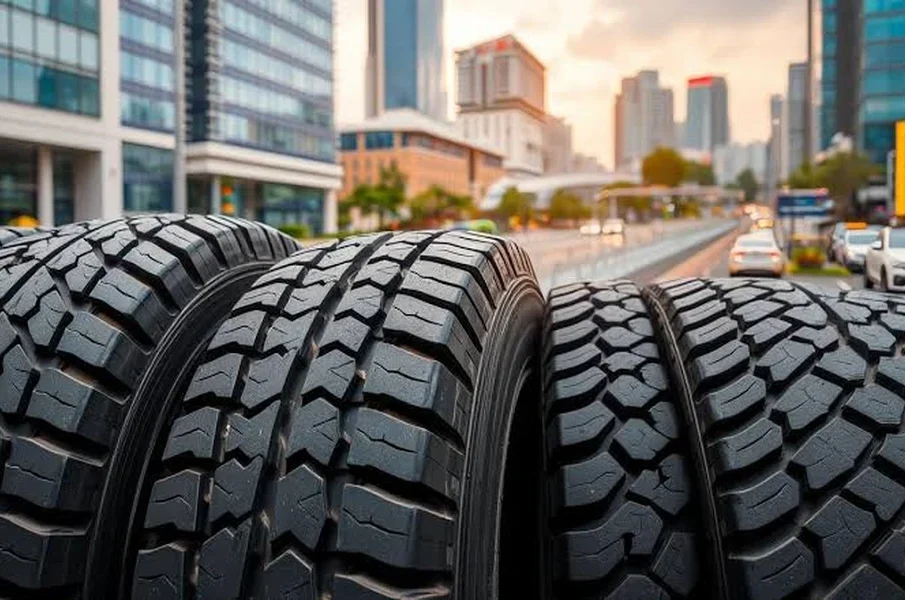
Singapore’s compact size and dense road network create a driving environment quite different from larger countries, one that shapes what actually matters when choosing tyres for everyday use around the island. Tyres singapore drivers rely on need to cope with frequent stop-start traffic, sudden downpours, and relatively short average trip distances compared with other markets. Browsing the range available through a locally established supplier is a genuinely practical way to see what actually suits this specific, well-understood local driving pattern before committing to a purchase.
Coping With Frequent Stop-Start Traffic
Singapore’s dense urban traffic means tyres endure more frequent braking and acceleration cycles than they might on a longer, steadier highway commute elsewhere in the region. A tyre compound suited to this pattern balances grip during frequent stops with reasonable longevity despite the repeated stress placed on it throughout a typical working week of commuting.
Handling Sudden Tropical Downpours
Singapore’s weather can shift from dry to heavy rain within minutes, meaning wet grip performance matters considerably more here than in a climate with more predictable, gradual weather changes throughout the day. Prioritising a tyre with strong wet grip ratings genuinely pays off across the entire year, not just during a defined monsoon season that most drivers already plan around.
Managing Short Average Trip Distances
Many everyday trips around Singapore are relatively short, meaning tyres rarely reach optimal operating temperature before a journey ends, a pattern that affects wear differently compared with longer, sustained highway driving found elsewhere in the region. Understanding this pattern helps set realistic expectations for tyre lifespan under typical local conditions, rather than comparing directly against figures quoted for a different driving pattern entirely.
Adjusting to Seasonal Humidity Levels
Consistently high humidity across the year affects tyre pressure readings more than drivers coming from drier climates might expect, making regular pressure checks a genuinely worthwhile habit rather than an occasional afterthought squeezed in when convenient. Small pressure deviations compound over time into measurably uneven wear if left unchecked for too long, quietly shortening the tyre’s overall usable life.
Considering COE and Vehicle Ownership Cycles
Singapore’s certificate of entitlement system shapes how long many owners keep a vehicle, which in turn affects how many tyre replacement cycles a car actually goes through during its time on the road here. Some owners plan to keep a vehicle for the entire ten-year certificate period, while others upgrade earlier, and this decision genuinely affects how much emphasis should be placed on long-term tyre durability. A model such as radar dimax r8 suits an owner planning to keep a vehicle for its full ownership period rather than trading it in early.
Dealing With Limited Parking and Kerb Strikes
Tight parking spaces and narrow multi-storey car parks common across Singapore increase the risk of kerb strikes, which can cause sidewall damage that is easy to miss during a casual visual check in passing. Regular inspection after parking in unfamiliar or particularly tight spaces catches this kind of damage before it becomes a genuine safety issue further down the road.
Choosing Tyres for Different Vehicle Types on the Road
Singapore’s roads carry everything from compact hatchbacks to larger SUVs and executive sedans, and the right tyre choice depends on matching the tyre category to the vehicle’s actual size, weight, and typical use pattern. A one-size-fits-all approach rarely serves every driver equally well across this genuinely varied vehicle mix seen on any given expressway during a typical commute. Vehicle owners upgrading to a larger or heavier car should treat this as an opportunity to reassess tyre choice rather than assuming the previous category still applies.
Budgeting for Regular Replacement Cycles
Given Singapore’s climate and driving conditions, budgeting for tyre replacement as a predictable, recurring cost rather than an unexpected expense helps avoid the temptation to delay a genuinely necessary replacement past a safe point. Planning ahead financially makes it considerably easier to prioritise safety over short-term cost savings that rarely turn out to be worth the added risk taken on. Setting aside a modest amount monthly toward this predictable cost removes much of the pressure that leads to delayed replacement in the first place.
Weighing Run-Flat Tyres for City Driving
Run-flat tyres offer a particular advantage in dense urban driving, where finding a safe spot to change a flat tyre can be genuinely difficult along a busy expressway or narrow local road during peak hours. This advantage matters more here than in a market with wider shoulders and less continuous traffic flow throughout the day. Comparing this against dimax radar helps a driver weigh this convenience against the typically firmer ride that comes with it.
Driving Confidently Around the Island
Choosing tyres suited to Singapore’s specific driving conditions, rather than a generic set chosen without local context in mind, makes for a noticeably safer and more comfortable everyday driving experience around the island. Taking local conditions seriously when choosing tyres pays off across every single journey taken afterward, in both comfort and genuine peace of mind.