Single-Axle vs. Tandem-Axle Enclosed Trailers: Which One Is Right for You?
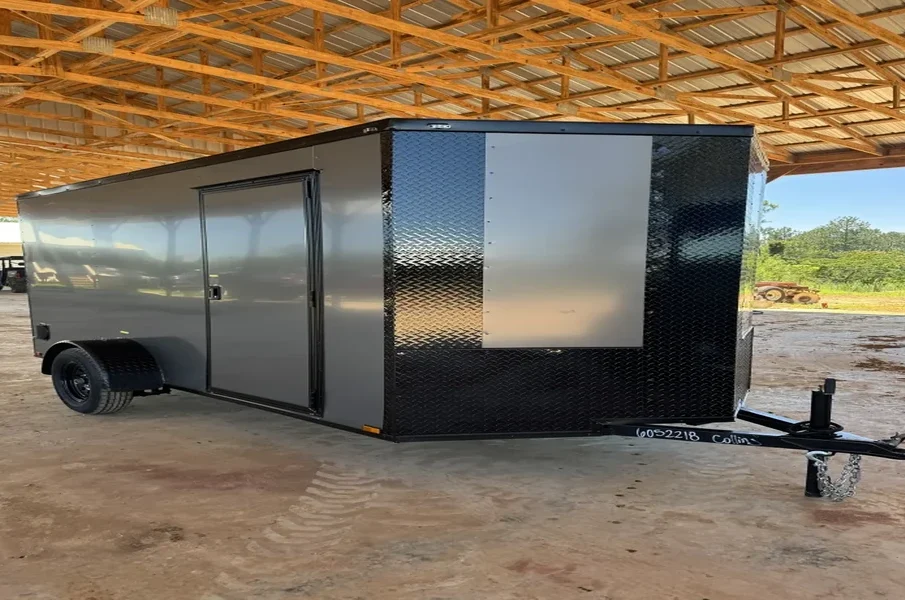
Choosing between a single-axle and tandem-axle trailer is an important decision for anyone transporting tools, equipment, vehicles or recreational gear. The axle configuration affects payload capacity, towing stability, maintenance needs, maneuverability and overall cost.
People comparing Enclosed Trailers for Sale should not assume that one axle type is automatically better than the other. The right choice depends on cargo weight, travel distance, frequency of use, storage space and the towing capacity of the vehicle.
What Is a Single-Axle Trailer?
A single-axle trailer has one axle and two wheels. These trailers are commonly available in smaller sizes and are often used for tools, motorcycles, lawn equipment, household belongings and other relatively light cargo.
Because they have fewer structural and mechanical components, single-axle trailers are usually lighter than tandem-axle models. Their lower empty weight may make them easier to tow with certain SUVs, vans and light-duty trucks, provided the vehicle is rated for the loaded trailer.
They are also easier to maneuver in narrow driveways, residential areas and crowded job sites. Owners with limited storage space may find a compact single-axle trailer easier to park when it is not being used.
Benefits of a Single-Axle Trailer
Affordability is one of the main advantages. Single-axle trailers generally cost less because they require fewer tires, bearings, brakes and suspension parts. Routine maintenance may also be simpler and less expensive.
Their lighter design can be useful for occasional hauling and short-distance travel. A contractor transporting basic tools or a homeowner moving furniture may not need the additional capacity of a tandem-axle trailer.
Single-axle trailers may also be easier to move by hand when empty. However, their lower payload capacity means buyers must carefully calculate the total weight of the cargo before loading.
Limitations of a Single-Axle Trailer
The main limitation is the amount of weight the axle can safely support. A single-axle model may not be suitable for heavy machinery, multiple motorcycles, construction materials or large commercial loads.
These trailers can also be more sensitive to uneven weight distribution. Placing too much cargo near the rear may increase trailer sway, while excessive weight near the front can overload the hitch.
A tire failure may create a more immediate handling problem because there is no second wheel on that side to help support the load. Regular tire-pressure checks and visual inspections are therefore essential.
What Is a Tandem-Axle Trailer?
A tandem-axle trailer has two axles positioned close together, providing four wheels. This configuration is commonly used on larger trailers designed for heavier cargo and frequent travel.
The additional axle distributes weight across more tires and suspension components. This can improve road stability and reduce the amount of weight carried by each individual axle.
Tandem-axle trailers are often used for commercial equipment, race vehicles, multiple motorcycles, landscaping machinery and heavy inventory.
Benefits of a Tandem-Axle Trailer
Greater payload capacity is a major advantage. A tandem-axle trailer can generally support heavier loads than a similarly constructed single-axle model.
The four-wheel configuration may also provide better stability during highway travel when the cargo is balanced correctly. Many tandem-axle trailers include brakes on one or both axles, which can improve stopping performance when connected to a compatible brake controller.
The extra axle may offer temporary support if one tire loses pressure, although the driver should still stop safely and address the problem immediately.
Limitations of a Tandem-Axle Trailer
Tandem-axle trailers usually cost more to purchase and maintain. Owners must inspect and eventually replace four tires instead of two. There are also additional wheel bearings, suspension components and brake parts that require servicing.
Their heavier empty weight may increase fuel use and place greater demands on the tow vehicle. Buyers should confirm the vehicle’s towing capacity, hitch rating and Gross Combined Weight Rating before making a purchase.
Tandem models may also be harder to maneuver in tight spaces. During sharp turns, the tires can scrub against the pavement because the two axles follow slightly different paths.
Which Axle Type Fits Your Needs?
A single-axle trailer may be suitable for light tools, one motorcycle, small lawn equipment or occasional household transport. It is often a practical option for local travel and buyers who value easier maneuverability.
A tandem-axle trailer may be more appropriate for heavy equipment, frequent highway trips, commercial use or growing hauling needs. Before deciding to Buy Enclosed Trailer equipment, calculate the expected cargo weight and include shelving, generators, cabinets and other added features.
Conclusion
Single-axle trailers are generally lighter, more affordable and easier to maneuver, while tandem-axle trailers usually provide greater payload capacity and improved stability for heavier loads.
The best choice depends on cargo weight, travel frequency, tow-vehicle capability and storage conditions. By comparing these factors carefully, buyers can select a trailer that supports safe towing, efficient loading and reliable long-term use.